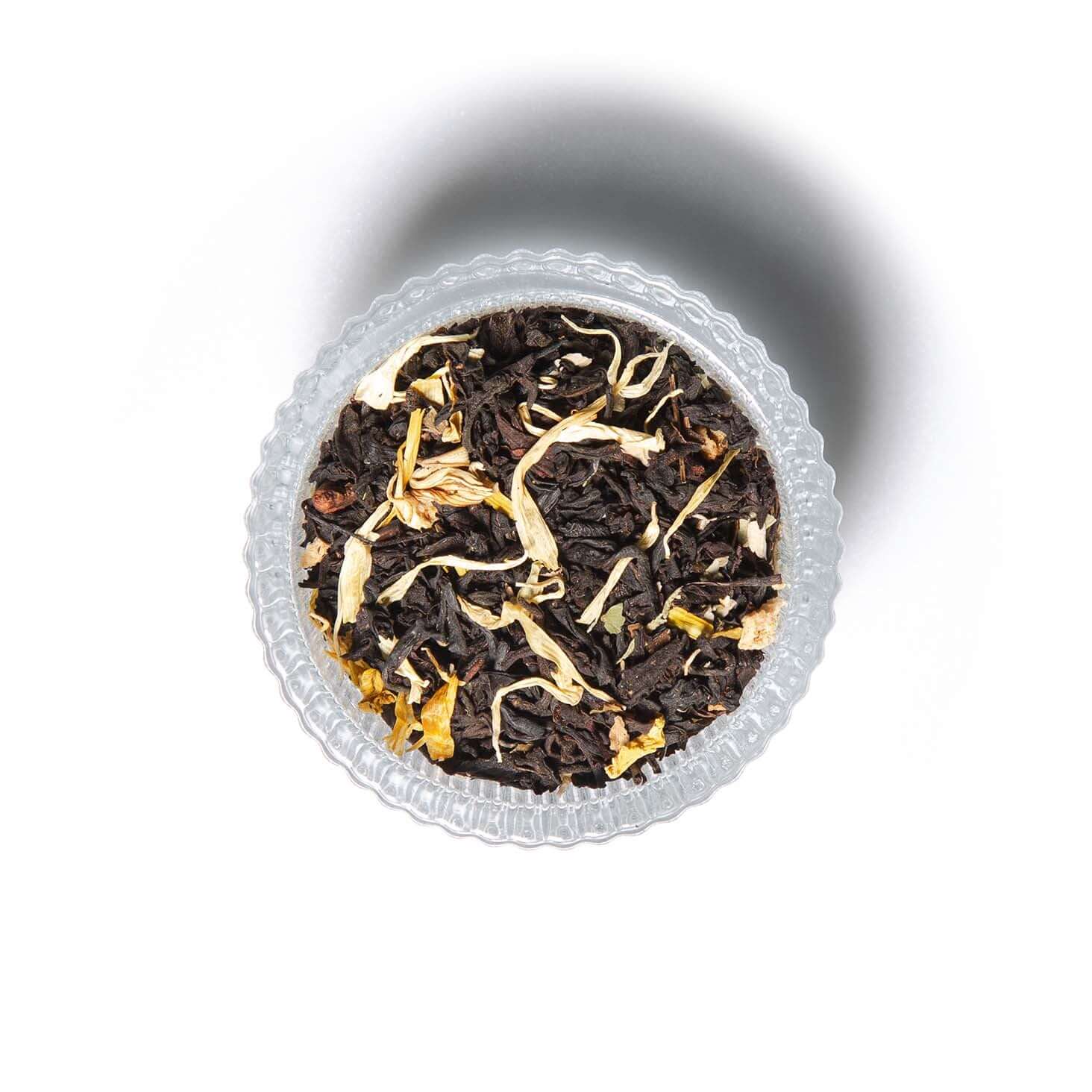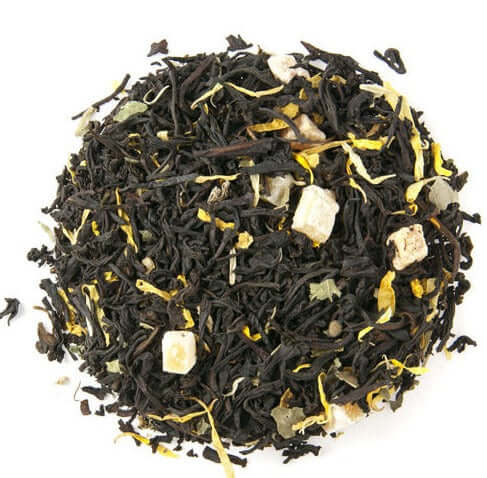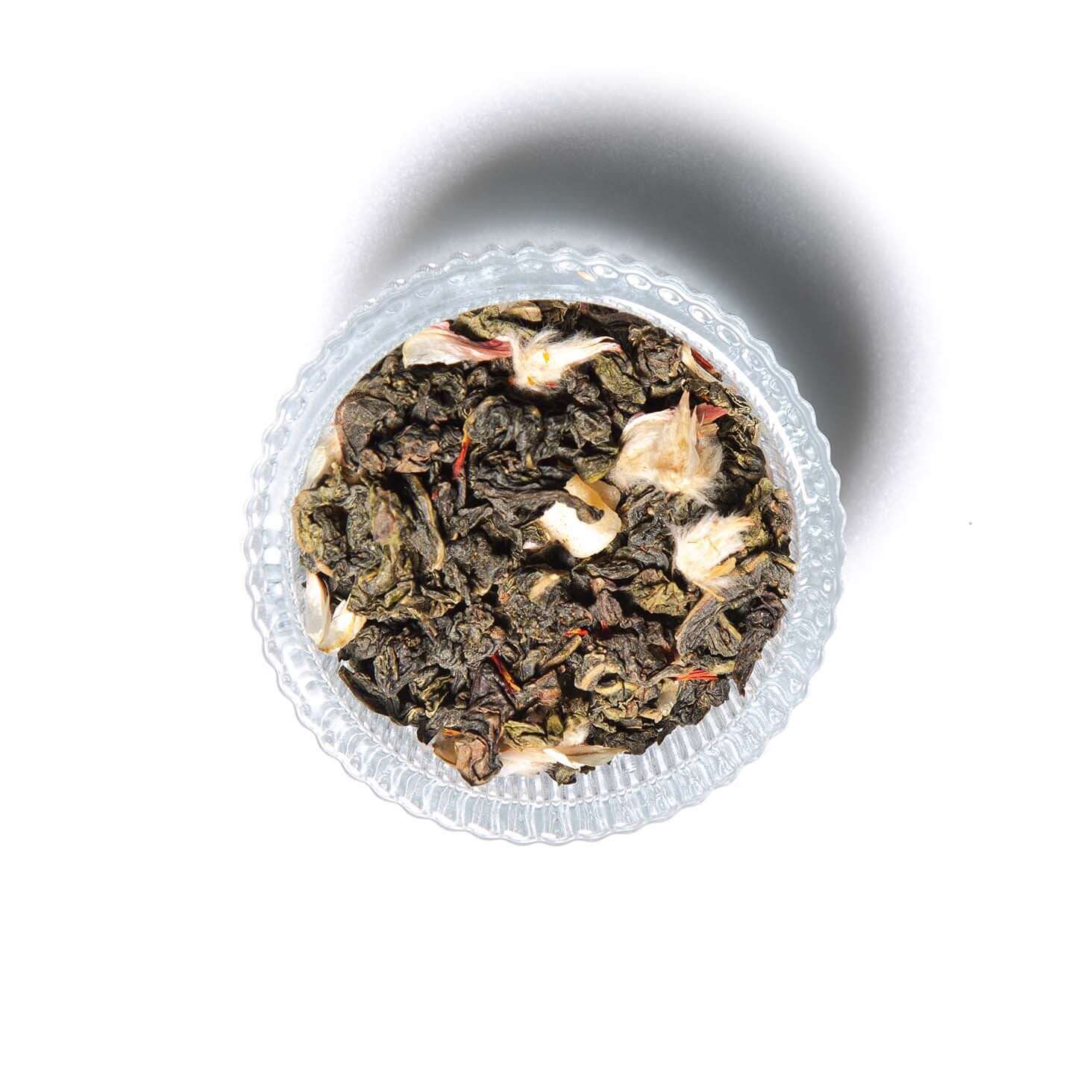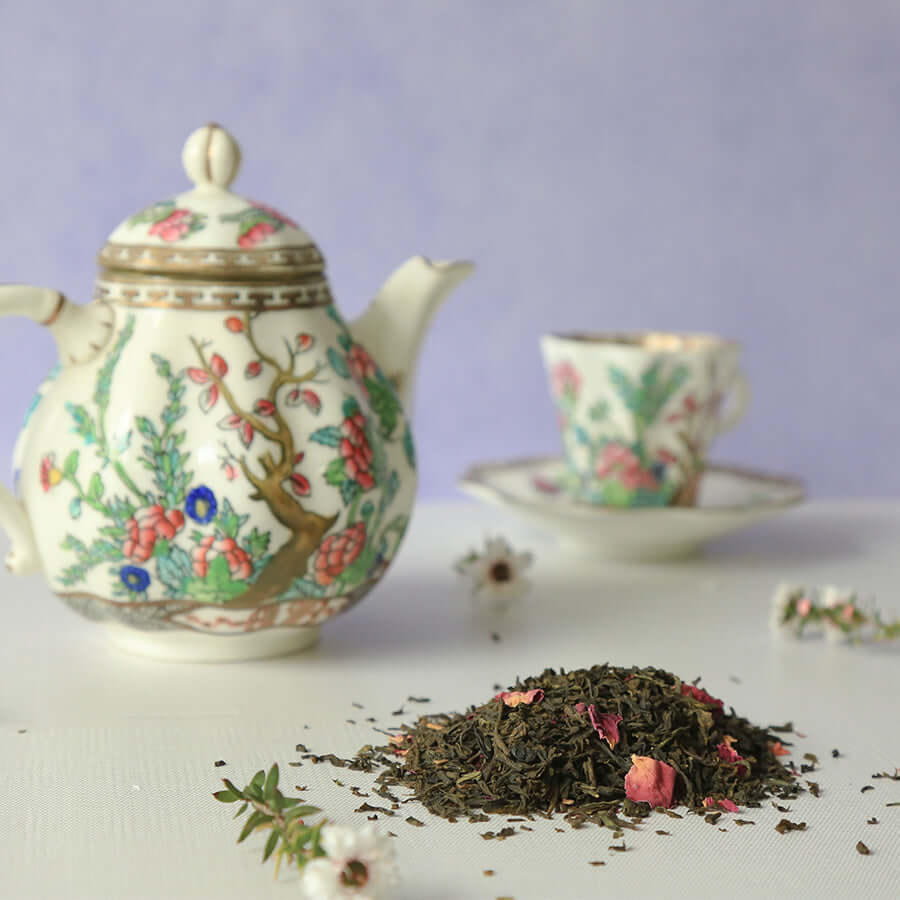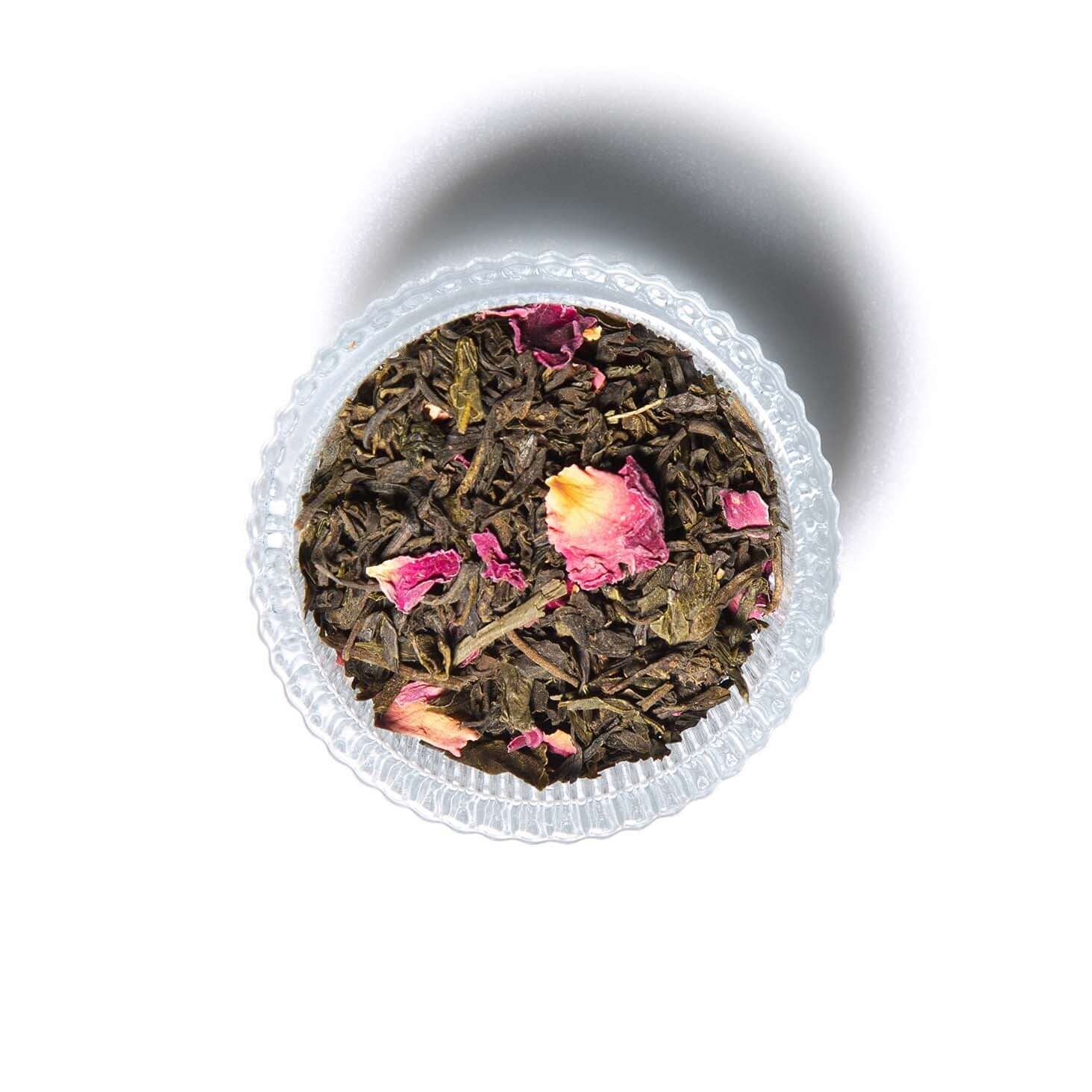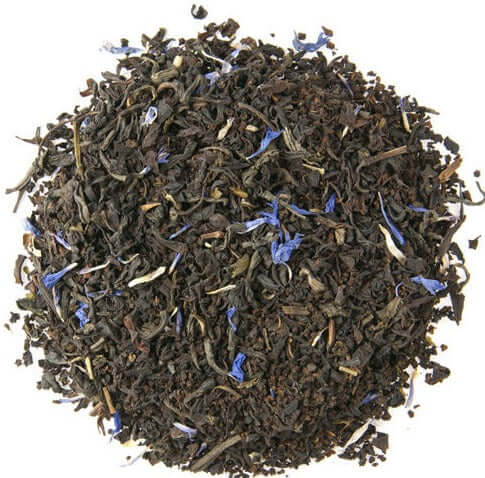













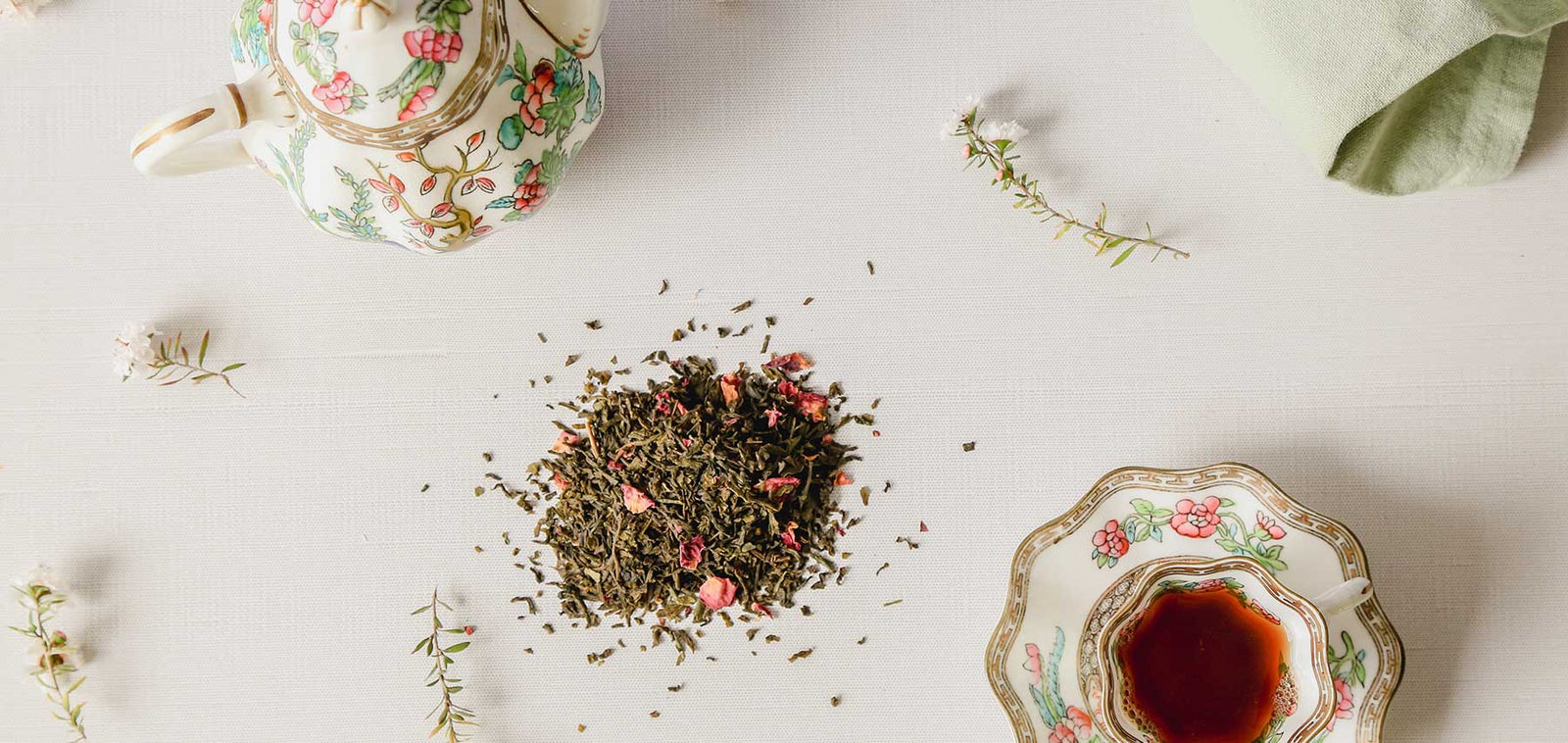

Green tea carries a history that spans over 4,000 years, offering moments of refreshment and vitality. Derived from the same leaves as black tea, green tea is picked at a younger stage, ensuring a fresher and lighter flavor profile.
Green tea's significance extends beyond its delightful taste and aromas. It has become a symbol of positivity, embraced by cultures worldwide. In China, green tea embodies purity, wisdom, and good fortune, while in Japan, it takes center stage in tea ceremonies that epitomize harmony, respect, and gratitude. Offering a spiritual experience in every sip.
Beyond its flavors, green tea offers an array of health benefits that can enhance your well-being. It serves as a delicious way to achieve the recommended daily fluid intake, providing 2-2.5 liters of hydration per day. As 99.5% water, green tea hydrates and refreshes your body, revitalizing your senses and keeping you focused throughout the day.
Moreover, the flavonoids found in green tea play a role in maintaining a healthy heart when consumed as part of a diet consistent with dietary guidelines. With approximately 150mg of flavonoids per cup, green tea surpasses even fresh orange juice, making it a delightful choice for promoting cardiovascular well-being.
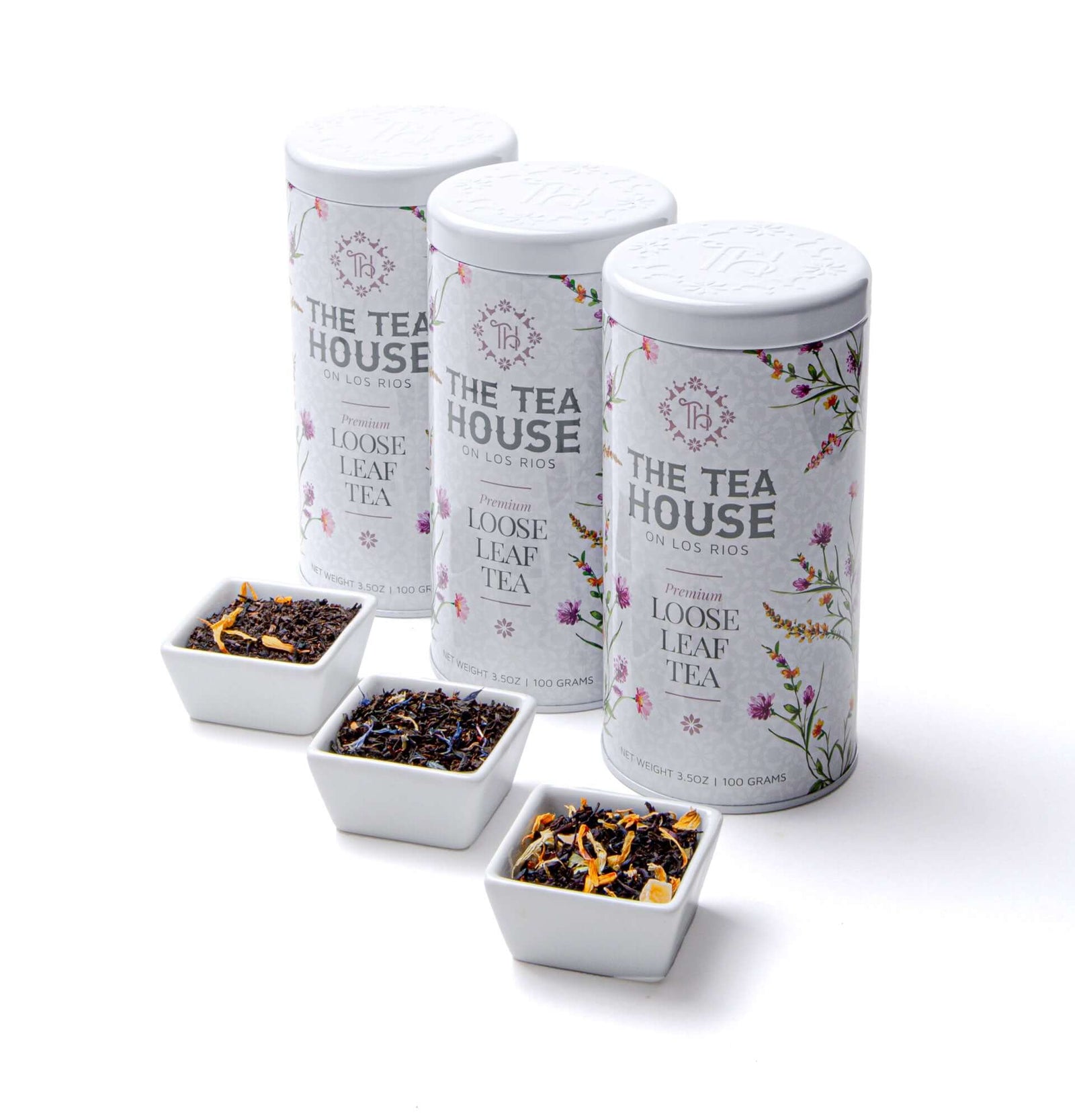
Additionally, unsweetened green tea contains zero calories, making it an excellent choice for those aiming to maintain a healthy diet without added sugars. For a fresh twist, consider our flavored loose leaf tea options, infused with fruit or herbs to add new and vibrant flavors.
At The Tea House on Los Rios, we invite you to try the revitalizing power of green tea, making it a part of your daily routine!
You can learn more about brewing loose leaf tea HERE
Sources:
1. US Department of Agriculture Database for the Flavonoid Content of Selected Foods Release 3.2. September 2015, slightly revised November 2015. 1 cup of fresh orange contains approx. 37mg, 1 medium sized red apple contains approx. 45 mg, 1 cup of cooked broccoli contains approx. 3 mg
2. Ruxton CH and Hart VA. Black tea is not significantly different from water in the maintenance of normal hydration in human subjects: results from a randomized controlled trial. Br J Nutr. 106(4): 588-95, 2011.